
Rotten Egg Smell in Hot Water? Causes & Anode Fixes
Does your hot water smell like rotten eggs? A sulfur or hydrogen sulfide odor may develop in a storage water heater when certain water conditions, microorganisms and anode-rod reactions occur together. A compatible powered anode rod can help with some hot-water-only odor problems, but it is not a guaranteed fix for every smell and is not a substitute for evaluating the water supply.
At Water Heating Experts, we start by checking where the odor appears: at hot taps, cold taps or just one fixture. That’s important because the right solution for a water heater differs from the right treatment for a well, water softener or sink drain.
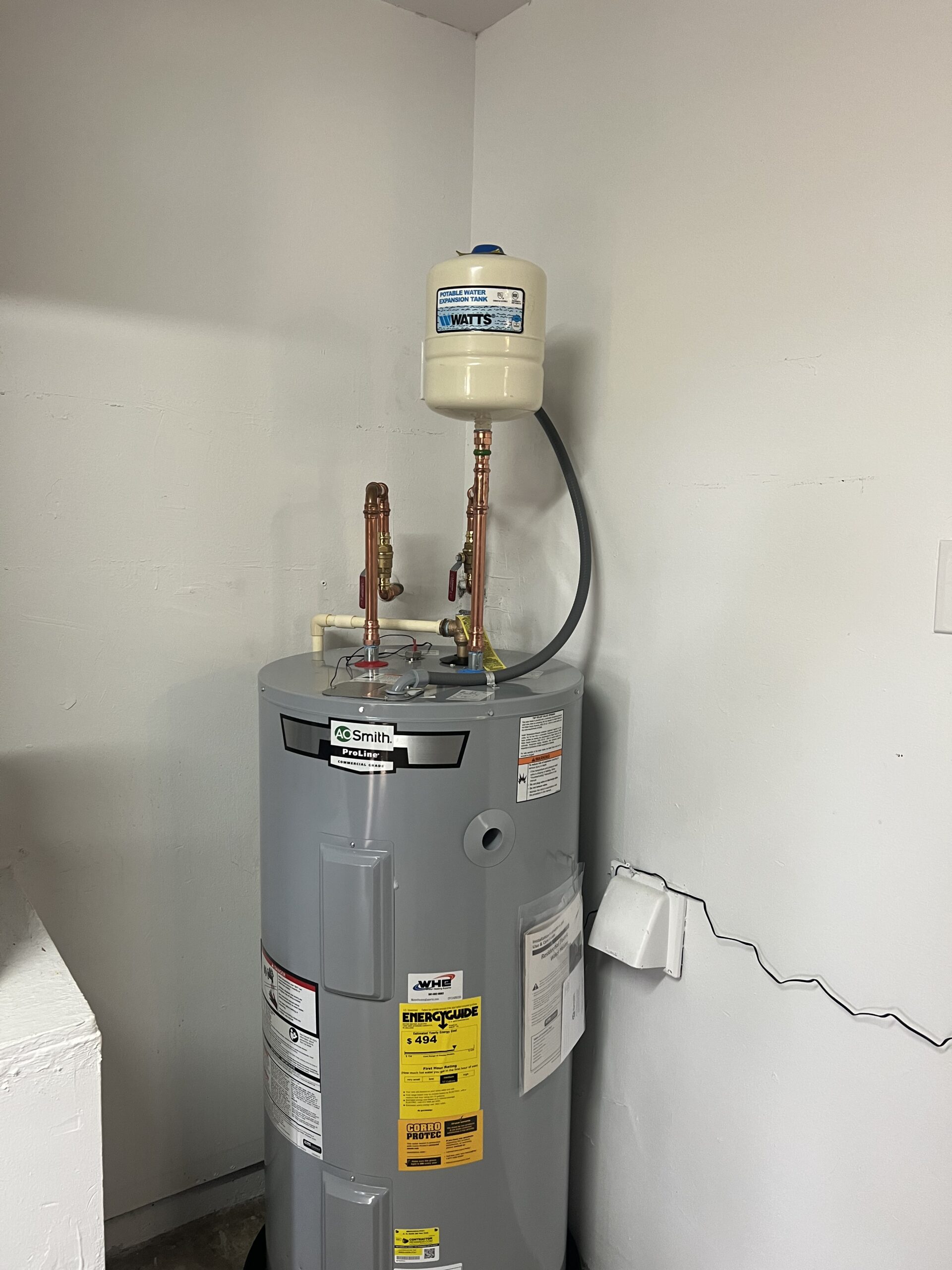
Why Does My Hot Water Smell Like Rotten Eggs?
Hydrogen sulfide is the gas most commonly associated with a sulfur or “rotten egg” odor in water. Sulfates in the water, sulfate-reducing bacteria and reactions involving a water heater’s magnesium sacrificial anode rod can contribute. These conditions are not the same in every home, including homes using well water in Jupiter Farms, The Acreage, Palm Beach Country Estates and Loxahatchee.
Penn State Extension’s hydrogen sulfide guidance explains why water-heater anodes can be involved in hot-water-only odors. A. O. Smith’s technical bulletin on smelly water also explains how bacteria, sulfates and water-heater conditions can combine to cause odor.
Don’t confuse a rotten-egg smell from water with a possible gas leak. If you suspect gas odor in the room or near gas piping rather than only when the water runs, leave the area and follow your gas utility’s emergency instructions.
Is the Smell in Hot Water, Cold Water or One Sink?
Compare several faucets and note whether the odor occurs with hot water, cold water or both. The pattern helps determine what to inspect.
| Where the odor occurs | Possible source | What to investigate |
|---|---|---|
| Hot water at several fixtures | Water heater tank, anode chemistry or related microbial activity | Heater type, anode compatibility, condition, maintenance and possible water testing |
| Hot and cold water | Water supply, well, distribution system or treatment equipment | Appropriate water testing and source-level treatment, not just an anode swap |
| One faucet or drain | Local drain buildup, fixture or branch piping | Distinguish water odor from drain odor; check other taps before blaming the tank |
For private wells or persistent odor throughout the home, appropriate sampling and treatment by a qualified water professional may be needed. Not every smell is caused by an anode rod.
Can a Powered Anode Rod Eliminate Hot Water Odor?
A conventional sacrificial anode is consumed gradually to help protect the steel storage tank from corrosion. A powered anode uses a low electrical current and an electrode, rather than intentionally dissolving metal, to provide corrosion protection. Compatible powered anodes are sometimes used when sulfur-like odors occur specifically in hot water.
Water Heating Experts works with Corro-Protec powered-anode systems, with the exact model selected for the heater and its anode connection. Corro-Protec markets its products for odor reduction and corrosion protection, but we do not promise they will fix every case. Water treatment, disinfection or additional diagnosis may still be necessary.
Important: Removing the original anode and simply leaving the tank unprotected can accelerate corrosion and affect warranty coverage. We verify the heater manufacturer’s documentation, the age and condition of the tank, and the powered-anode manufacturer’s fit and electrical requirements before recommending installation.
What WHE Checks Before Installing an Odor-Control Anode
Our evaluation considers the water supply and equipment together:
- Locate the odor: Test the pattern across hot and cold taps and distinguish odor from water versus a drain.
- Identify the heater: Record manufacturer, model, age, tank condition and whether it has a compatible anode port or integrated anode arrangement.
- Check the existing anode: Some water heaters use different anode configurations, including powered protection from the factory; don’t assume every model needs an aftermarket replacement.
- Review water conditions: Private-well or softener-related odors may require more than an anode change.
- Confirm a safe installation: Follow manufacturer’s installation instructions, grounding/power requirements, leak checks and applicable warranty terms.
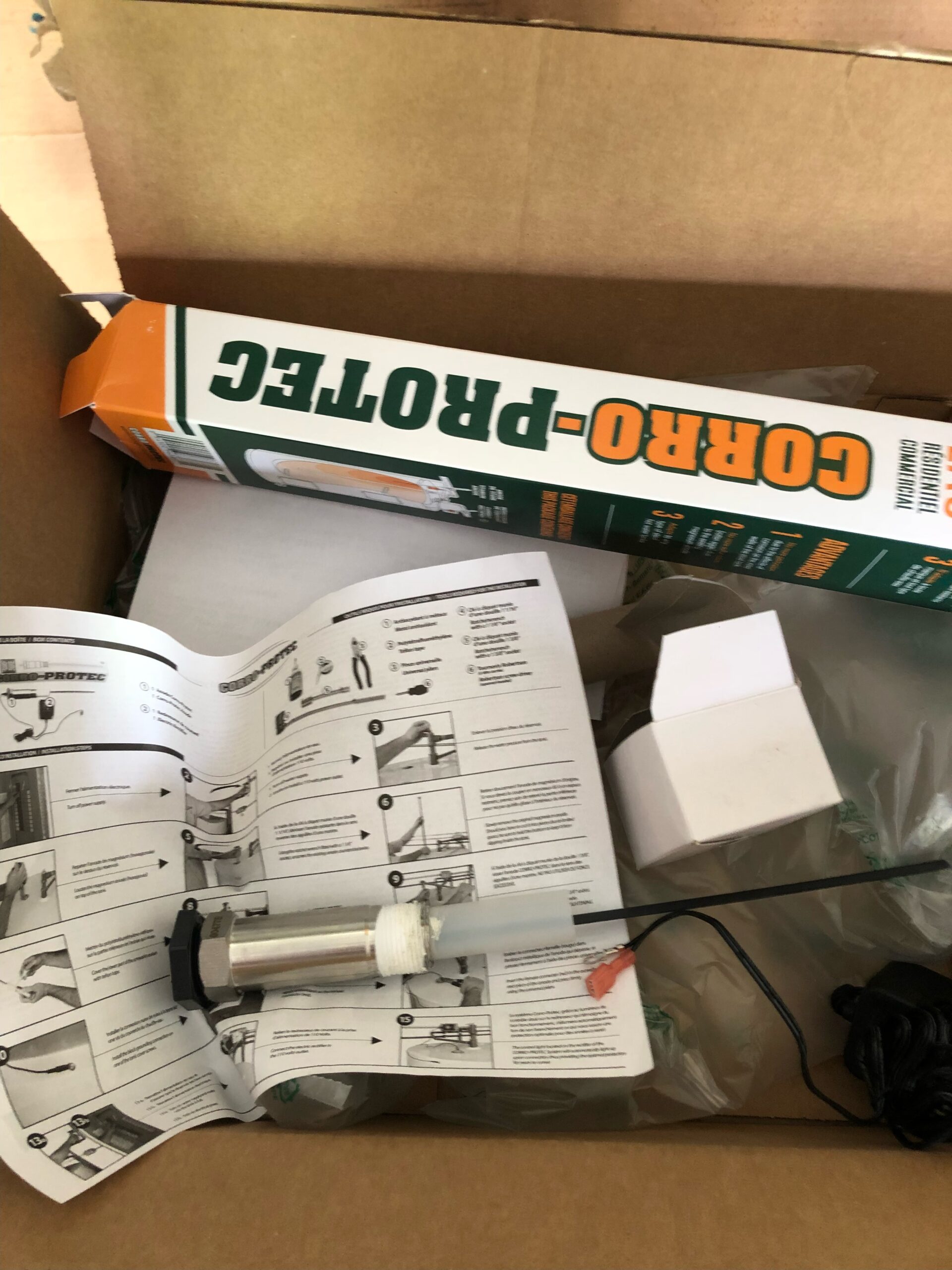
For manufacturer-specific installation and troubleshooting information, consult the Corro-Protec installation support center. Homeowners should not remove a tightly installed anode or open an energized water heater without appropriate equipment and experience.
Other Ways to Address Smelly Hot Water
A powered anode is one possible solution, not a universal “water heater odor eliminator.” Depending on the actual cause, a plumber or qualified water-treatment professional may consider cleaning and servicing the heater, reviewing a sacrificial-anode material where the manufacturer permits it, investigating softener equipment, or testing and treating well water.
Some situations require professional tank disinfection or source-water treatment. We do not recommend pouring household chemicals into the tank or removing protective anodes without model-specific professional guidance. Be especially cautious with hot water, electrical connections and pressurized systems.
Also consider the heater’s overall condition. An older, leaking or badly corroded tank might be a replacement candidate rather than an accessory-upgrade candidate. See our water heater lifespan guide and serial-number age lookup.
Hot Water Smells Like Rotten Eggs: FAQs
Why does only my hot water smell like rotten eggs?
A reaction involving sulfates, microorganisms and a storage water heater’s anode may be contributing. The pattern points toward the heater but does not establish a diagnosis by itself. Check multiple hot and cold fixtures and consider water testing when appropriate.
Will a powered anode rod get rid of sulfur smell?
A compatible powered anode can reduce some anode-related hot-water sulfur odors and help protect the tank against corrosion. It will not necessarily solve source-water contamination, drain odors or every microbial issue. Results depend on the underlying cause.
Can I simply remove the magnesium anode rod?
That is usually not a good long-term solution. Sacrificial anodes protect steel storage tanks from corrosion; removing one without approved replacement protection can shorten tank life and affect warranty coverage.
Does a Corro-Protec work with Bradford White or hybrid water heaters?
Corro-Protec offers different product configurations, including brand-specific options, but compatibility depends on the exact tank model and anode arrangement. Some hybrid heaters have factory-powered anodes. Verify the heater and accessory manufacturer’s requirements before installation.
What if both hot and cold water smell bad?
Look beyond the water heater. A well, source water, softener or distribution system may need testing or treatment. An anode replacement alone generally cannot treat an odor already present throughout the incoming water supply.
Could the odor come from just one bathroom sink?
Yes. Sometimes odors arise from a local drain or fixture rather than the water. Compare water collected in a clean container with water at other faucets before deciding the water heater is responsible.
Is a rotten-egg smell always harmless?
No. Water odor and a possible natural-gas leak are different safety situations. If you suspect a gas leak, leave the area and contact the gas utility’s emergency service from a safe location. Persistent water quality concerns may also require qualified testing.
Water Heater Odor Help in Palm Beach County
Water Heating Experts LLC is a family-owned, master-plumber-owned Florida Certified Plumbing Contractor, license CFC1426133. We serve Palm Beach Gardens, Jupiter, Tequesta, Juno Beach and nearby northern Palm Beach County communities, including homes on well water where service is available.
For an evaluation of smelly hot water or a compatible powered-anode installation, call 561-602-9062. For a heater replacement, you can also request a free water-heater installation estimate. We can confirm whether the issue calls for water-heater service, an anode change or a separate water-quality specialist.