
How Long Does a Water Heater Last?
How long does a water heater last? Most traditional tank water heaters serve for roughly 8–15 years; a well-maintained tankless unit can often reach 15–20 years or more. These are planning ranges, not expiration dates. Installation quality, water conditions, maintenance, and the exact model all affect how long yours will last.
If you’re unsure of the manufacture date, use our free Water Heater Age Lookup to check your serial number. This article focuses on lifespan, maintenance, warning signs, and when to replace, while the lookup page handles the brand-specific date codes.
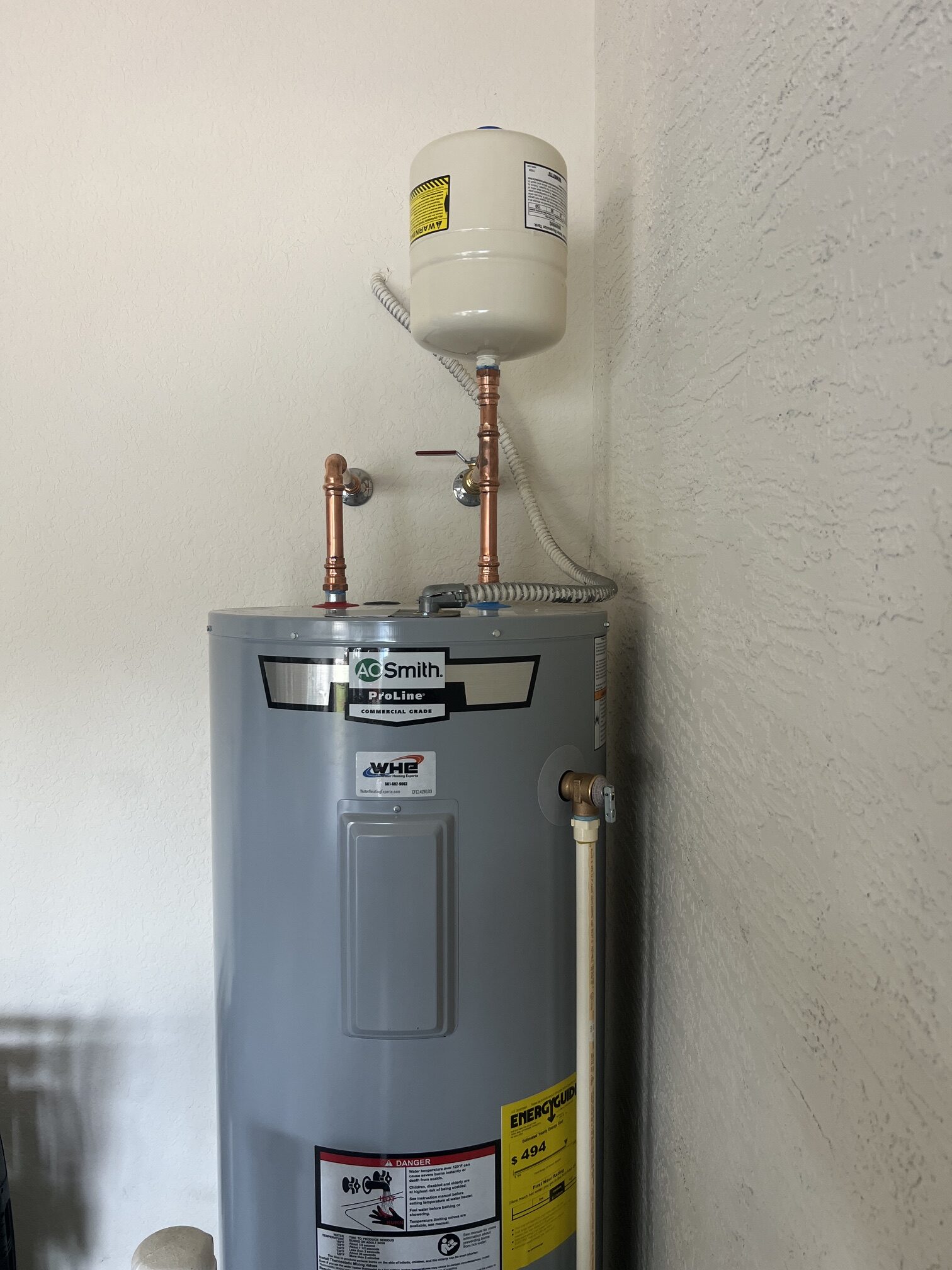
Water Heater Life Expectancy Chart by Type
The following are approximate residential water heater lifespan ranges for planning—not manufacturer guarantees. A specific heater may fail sooner or last longer.
| Water heater type | Typical planning range | What affects service life? |
|---|---|---|
| Electric storage-tank water heater | About 10–15 years | Tank corrosion, anode condition, sediment and water pressure |
| Gas storage-tank water heater | About 8–12 years | Tank corrosion, combustion and venting maintenance, sediment |
| Heat pump (hybrid) water heater | About 10–15 years | Tank condition, filter and condensate maintenance, refrigeration components |
| Tankless water heater | About 15–20+ years | Water quality, scale, servicing, heat-exchanger condition and model |
Rheem’s lifespan and replacement guidance describes traditional tank units as roughly 8–12 years and tankless models as often 15–20+ years. The U.S. Department of Energy likewise notes longer expected life for tankless systems than conventional tanks. The electric and hybrid ranges above are broader field-planning estimates; exact results vary by model and conditions.
What Makes a Water Heater Fail Early?
- Corrosion inside storage tanks. Once a tank corrodes through, repairs to controls or fittings cannot fix the tank shell.
- Water conditions. Sediment, mineral scale and aggressive water chemistry can increase wear. Water quality varies by household and utility, including across South Florida.
- Excessive water pressure or expansion. Plumbing pressure and thermal expansion need to be evaluated for the installation.
- Missed maintenance. Sediment removal, inspection of applicable sacrificial anodes, and cleaning tankless heat exchangers can all matter.
- Installation and operating conditions. Incorrect sizing, poor venting, restricted air supply or neglected heat-pump filters can lead to problems.
The age on the rating plate is only one part of the decision. A professionally maintained older unit may be serviceable, while a much newer tank can still develop a leak.
Warning Signs a Water Heater May Need Replacement
- Water collecting at the base of the tank or visible corrosion on the tank body
- Discolored hot water, recurring rust or unexplained changes in water quality
- Rumbling, popping or other unusual heating noises
- Hot water running out sooner or inconsistent temperature
- Repeated repairs or expensive major components failing on an older unit
Important: A leak from a valve, pipe connection or drain fitting may be repairable; a leak from the actual storage tank generally means the heater needs replacement. Do not assume every puddle is a failed tank. If you see active leakage, switch off the heater and water supply only if you can do so safely, and have a qualified plumber identify the source.
Gas odor, suspected combustion problems, or carbon monoxide alarms require immediate safety action rather than a routine service appointment.
Can Maintenance Extend Water Heater Life?
Maintenance can reduce avoidable wear, although it cannot guarantee extra years. Follow the specific owner’s manual and have work involving gas, electricity, hot water, venting or safety valves handled by a qualified professional.
- Tank models: Periodic sediment flushing can help; Rheem commonly recommends annual flushing.
- Anode protection: Inspect and replace a worn sacrificial anode when applicable. Some models use powered anodes with different inspection and replacement requirements.
- Tankless units: Check the inlet filter and have mineral scale removed at the interval required by the manufacturer and water conditions.
- Heat-pump models: Clean the air filter, check condensate drainage and keep manufacturer-required airflow clear.
- All systems: Look for leaks, check water pressure where indicated, and have the safety controls and applicable venting inspected.
For a manufacturer checklist, see A. O. Smith’s water-heater maintenance guide. Never energize an electric tank until it is completely filled and air has been purged.
Does Brand or Model Matter?
Yes, but it is important not to assume a heater sold by a retailer is automatically lower quality than a contractor-supplied one. Compare exact model numbers, tank protection, warranty terms, serviceability, installation requirements and maintenance history.
WHE installs and services brands including A. O. Smith, Rheem and Bradford White. A water heater’s warranty period is not a prediction that it will last exactly that many years.
Should You Replace an Older Water Heater Before It Leaks?
Sometimes. A tank that is past its expected life, has visible corrosion, sits in a damage-prone location, or has recurring costly repairs deserves an evaluation. Age alone does not prove that a sound, properly functioning heater is about to fail.
Your insurance company or condo association may still set a replacement deadline based on age or other requirements. Read our guide to insurance and HOA water heater replacement requirements, and check the written notice before deciding to keep an older tank.
- Near or beyond 10 years: Check the age, model, current condition and maintenance record; plan ahead for replacement options.
- Leaking tank: Arrange replacement rather than trying to patch a corroded storage tank.
- Repairable components: A thermostat, element, valve or fitting problem can have a very different repair decision from a leaking tank.
- Attic installation: Consider the consequences of a leak and whether a future replacement can be relocated to a suitable garage location.

When planning a replacement, compare the complete installed price, efficiency and household hot-water needs—not simply the tank’s age. Our guide to 80-gallon replacement options covers one common capacity challenge.
Frequently Asked Questions
How long does a hot water heater last?
Most traditional tank models have a planning range of about 8–15 years; a well-maintained tankless unit can often reach 15–20 years or more. These are estimates, not replacement deadlines. Our Hot Water Heater Guide explains the different heating systems and their temperature considerations.
How long does a 40- or 50-gallon electric water heater last?
For planning, many electric storage-tank heaters last around 10–15 years, although water conditions, tank protection, installation and maintenance have more influence on longevity than the tank’s gallon capacity alone.
How long does a gas water heater usually last?
Conventional residential gas storage models are commonly planned around an 8–12-year lifespan. Some fail earlier and some last much longer. Venting, maintenance and tank condition matter.
Do tankless water heaters really last 20 years?
Many tankless systems are designed for longer service lives than tank models, and 15–20 years or more is a reasonable general planning range. Heat-exchanger condition, mineral scale, maintenance and the exact model determine what is realistic.
How long does a hybrid heat-pump water heater last?
Roughly 10–15 years is a useful planning range, but both the tank and the heat-pump components require attention. Filter and condensate maintenance are especially important. Check the manufacturer’s model-specific guidance.
Should I replace a water heater just because it is 10 years old?
Not automatically. Have an older tank evaluated for leakage, corrosion, efficiency, past repairs and the potential consequences of a leak. Planning ahead is sensible; age alone does not prove immediate failure.
How do I find my water heater’s age?
Check the model and serial number on the rating plate and use our Water Heater Age Lookup. Manufacturing date and installation date are not always the same.
Have an Older Water Heater in Palm Beach County?
Water Heating Experts LLC is a family-owned, master-plumber-owned business serving Palm Beach Gardens, Jupiter, Tequesta, Juno Beach and nearby communities. Florida Certified Plumbing Contractor CFC1426133.
For an evaluation or replacement estimate, call 561-602-9062 or request a free installation estimate.